
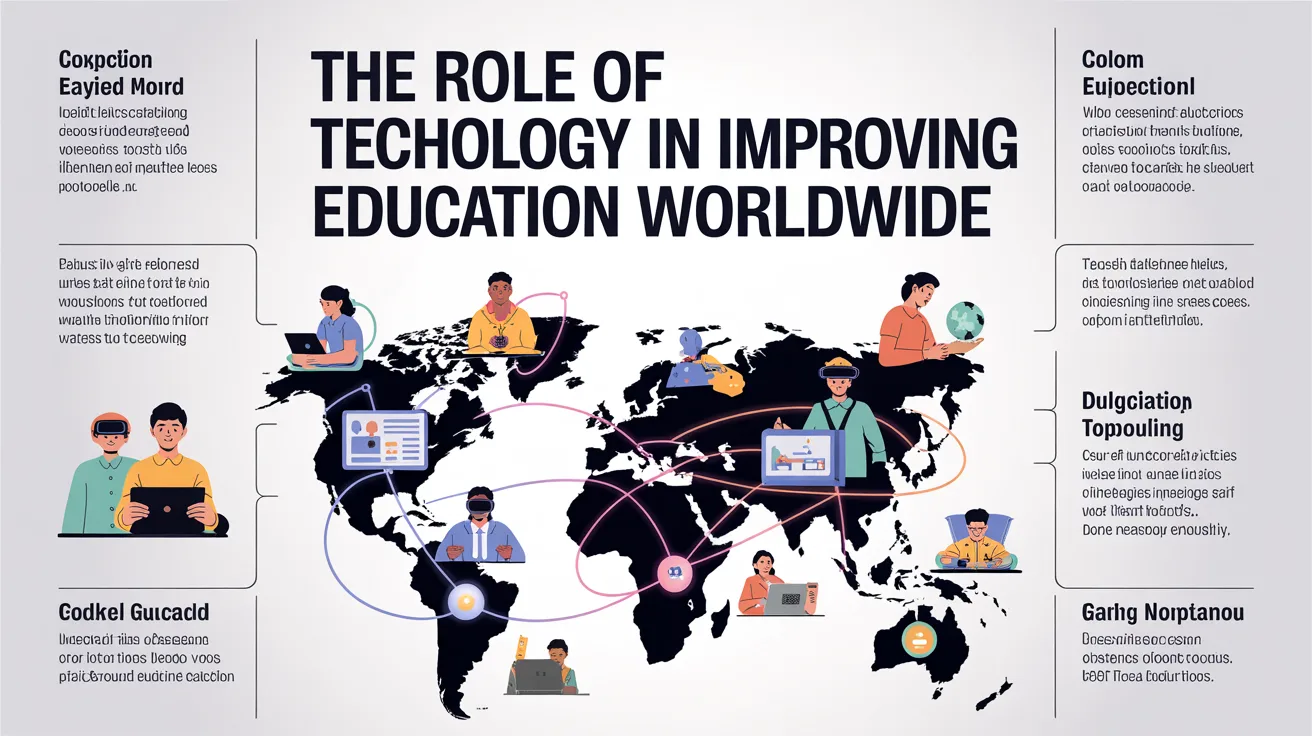
Technology has become one of the most powerful tools for transforming education across the globe. Over the past two decades, digital tools, internet connectivity, and innovative learning platforms have reshaped how knowledge is delivered and accessed. Today, students can attend online classes, access digital libraries, collaborate with peers worldwide, and learn new skills without being limited by geography.
The role of technology in education is not just about replacing traditional classrooms with digital tools. Instead, it focuses on improving access to education, enhancing teaching methods, personalizing learning experiences, and preparing students for a rapidly evolving digital world. This article explores how technology is improving education worldwide and what the future may hold for global learning systems.
Expanding Access to Education
One of the most significant benefits of technology in education is its ability to expand access to learning opportunities. In many parts of the world, students face challenges such as limited school infrastructure, lack of qualified teachers, or geographic barriers. Technology helps overcome these obstacles by enabling remote and online learning.
With the help of internet connectivity and digital devices, students can now access educational resources from almost anywhere. Online learning platforms, educational websites, and digital libraries provide access to thousands of courses, lectures, and study materials. Students who previously had limited educational opportunities can now participate in virtual classrooms and learn from educators around the world.
Mobile technology has also played an important role in improving access to education. Smartphones and tablets allow learners to study using educational apps, watch instructional videos, and complete assignments from their devices. In many developing regions, mobile learning has become a practical solution for delivering education to underserved communities.
ALSO CHECK: Tech Innovations That Could Change Human Life
Enhancing the Quality of Teaching
Technology is also helping educators improve the quality of teaching. Digital tools allow teachers to create interactive lessons, use multimedia content, and present information in more engaging ways. Instead of relying only on textbooks and lectures, teachers can integrate videos, animations, simulations, and online activities into their lessons.
Interactive learning tools help students understand complex concepts more easily. For example, science simulations allow students to visualize experiments that might be difficult to perform in traditional classrooms. Similarly, digital maps and historical archives help students explore subjects such as geography and history in more immersive ways.
Technology also enables teachers to access professional development resources and training programs online. Educators can participate in virtual workshops, collaborate with colleagues, and learn about new teaching methods that improve classroom effectiveness.
Supporting Personalized Learning
Every student learns at a different pace and in a different way. Traditional classroom environments sometimes struggle to accommodate individual learning needs. Technology helps address this challenge by enabling personalized learning experiences.
Adaptive learning platforms use data and algorithms to adjust lessons based on a student’s performance. If a learner struggles with a particular topic, the system can provide additional exercises or explanations. If a student progresses quickly, the platform can introduce more advanced material.
Personalized learning helps students stay engaged and motivated. Instead of following a rigid curriculum, learners can move at their own pace and focus on areas where they need improvement. This approach encourages deeper understanding and helps students build confidence in their abilities.
Improving Collaboration and Communication
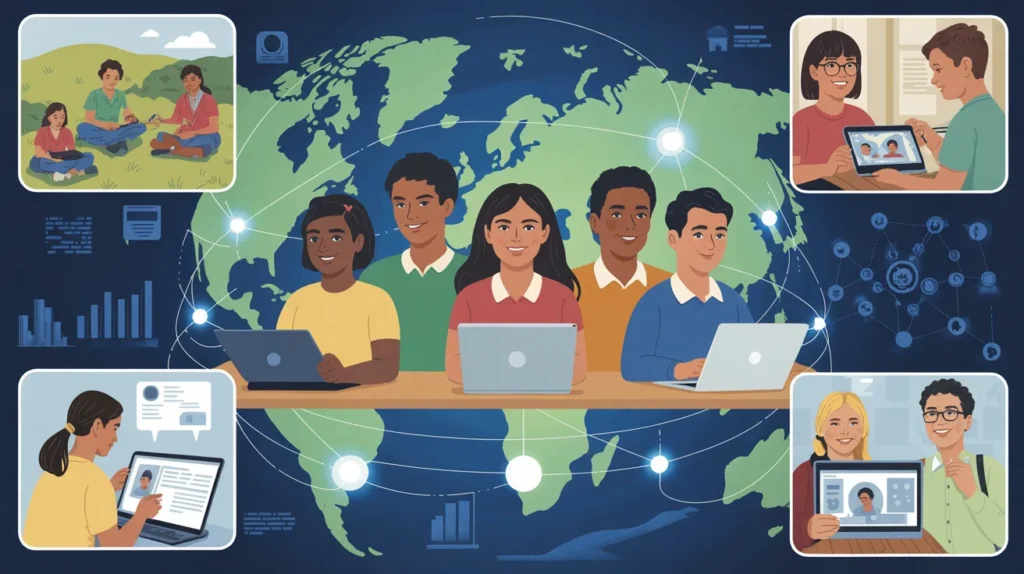
Technology has made collaboration easier for students and educators around the world. Digital communication tools allow learners to connect with classmates, teachers, and experts regardless of location.
Online discussion forums, video conferencing platforms, and collaborative documents enable students to work together on projects, share ideas, and solve problems collectively. These tools promote teamwork and communication skills that are essential for modern workplaces.
Global collaboration also exposes students to diverse perspectives and cultures. Through virtual exchange programs and international learning communities, students can interact with peers from different countries and gain a broader understanding of the world.
Enabling Remote and Hybrid Learning
The growth of remote and hybrid learning models has been one of the most visible impacts of technology in education. Online learning platforms allow schools and universities to deliver courses through virtual classrooms where students can attend lectures, submit assignments, and participate in discussions.
Hybrid learning combines traditional classroom instruction with online learning activities. This flexible approach allows students to access course materials digitally while still benefiting from in-person interaction with teachers.
Remote learning has proven especially valuable during emergencies, natural disasters, or public health crises when physical classrooms may not be accessible. Technology ensures that learning can continue even when traditional educational environments are disrupted.
Supporting Lifelong Learning
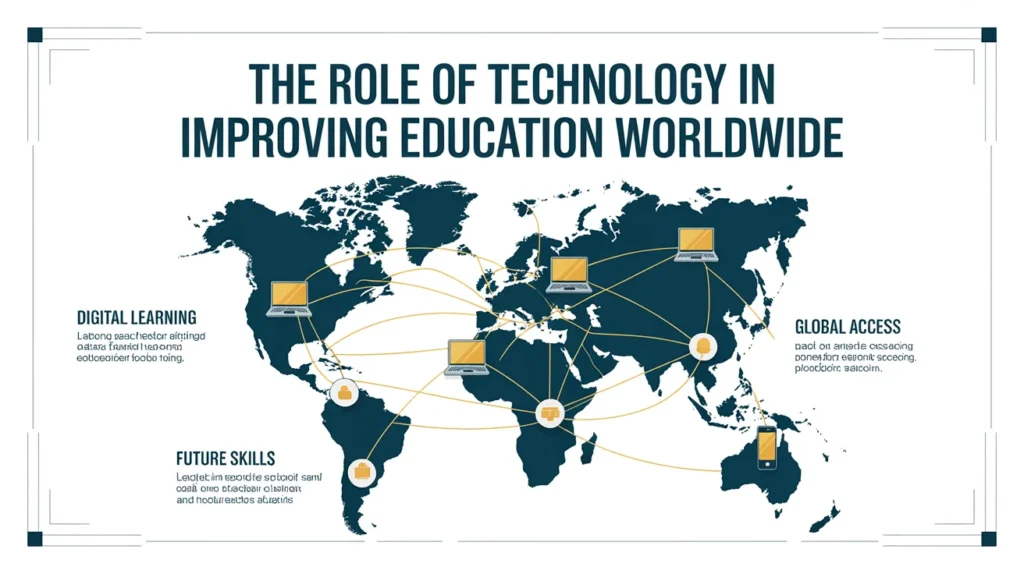
Education is no longer limited to a specific period of life. In today’s knowledge-driven economy, individuals must continuously update their skills and knowledge. Technology supports lifelong learning by making educational resources available to people of all ages.
Online courses, digital certifications, and professional development programs allow individuals to learn new skills without leaving their jobs or relocating. Many professionals use online learning platforms to improve their technical abilities, learn new languages, or develop leadership skills.
Lifelong learning is particularly important as industries evolve and new technologies emerge. Continuous education helps workers remain competitive in the job market and adapt to changing economic conditions.
Improving Educational Management and Administration
Technology also plays a crucial role in improving the management of educational institutions. School administrators use digital systems to manage student records, track attendance, monitor academic progress, and communicate with parents.
Learning management systems (LMS) allow teachers to organize course materials, assign tasks, and evaluate student performance efficiently. These systems streamline administrative tasks and help educators focus more on teaching.
Data analytics tools also help educational institutions identify trends and improve decision-making. For example, analyzing student performance data can help schools develop targeted interventions for learners who need additional support.
Bridging Educational Gaps
Technology has the potential to reduce educational inequality by providing resources to underserved populations. Governments, non-profit organizations, and technology companies are working together to expand internet access and provide digital learning tools to communities with limited educational infrastructure.
Initiatives such as open educational resources (OER) and free online courses help ensure that high-quality educational content is available to anyone with an internet connection. These initiatives support the goal of making education more inclusive and accessible worldwide.
However, addressing the digital divide remains an important challenge. Ensuring that all students have reliable internet access and appropriate devices is essential for achieving the full benefits of educational technology.
Challenges and Considerations
While technology offers many benefits for education, it also presents challenges that must be addressed carefully. One major concern is ensuring equitable access to digital tools and reliable internet connectivity. Without proper infrastructure, some students may be left behind.
Another challenge is maintaining data privacy and cybersecurity. Educational institutions must protect sensitive student information and ensure that digital platforms comply with privacy regulations.
Additionally, excessive screen time and overreliance on technology can affect students’ well-being and concentration. A balanced approach that combines digital tools with traditional learning methods is essential.
Teacher training is also critical. Educators must be equipped with the knowledge and skills needed to use technology effectively in their teaching practices.
The Future of Technology in Education
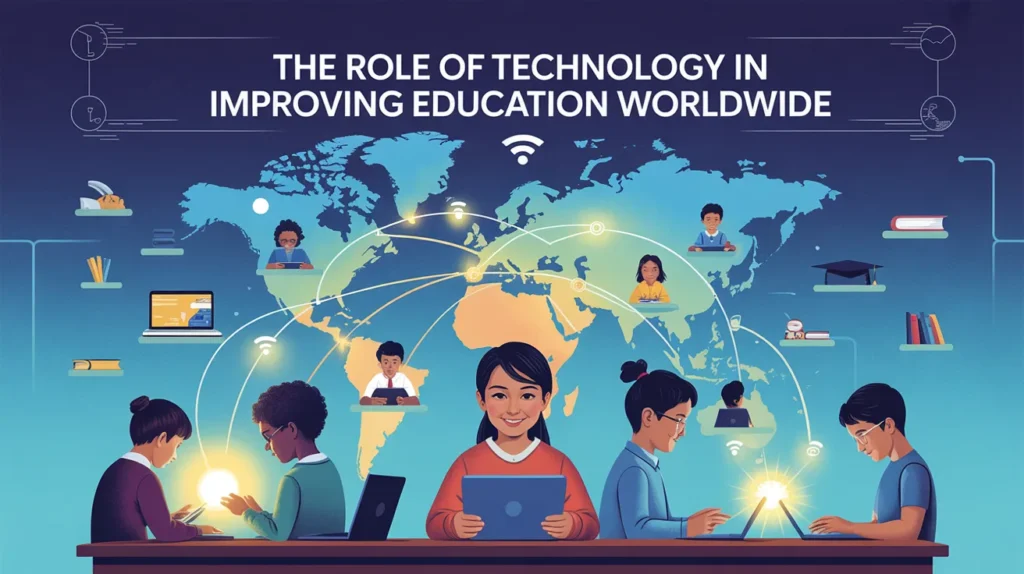
The future of education will likely involve even more advanced technologies. Artificial intelligence, virtual reality, augmented reality, and advanced analytics are already being integrated into learning environments.
Virtual reality could allow students to explore historical landmarks, conduct science experiments, or travel through space without leaving the classroom. Artificial intelligence may provide personalized tutoring systems that guide students through complex topics.
As technology continues to evolve, educational institutions will have new opportunities to create innovative and inclusive learning environments.
Conclusion
Technology has become a powerful force in improving education worldwide. By expanding access to learning resources, enhancing teaching methods, enabling personalized education, and supporting collaboration, digital innovations are helping transform the global education landscape.
While challenges such as digital inequality and data privacy remain, the potential benefits of educational technology are significant. With thoughtful implementation, investment in infrastructure, and proper training for educators, technology can help build a more inclusive and effective education system.
Ultimately, the goal is not to replace traditional education but to enhance it. When used responsibly and creatively, technology can empower learners, support teachers, and open new opportunities for millions of students around the world.