
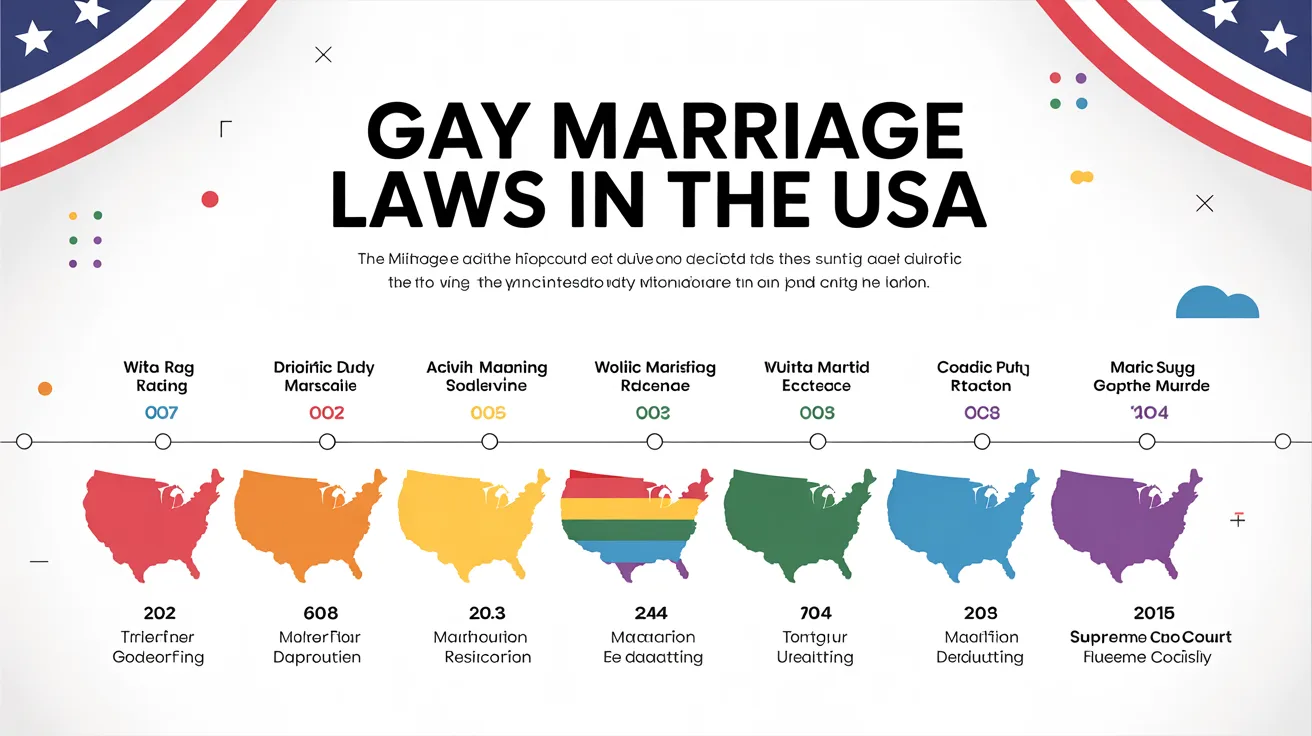
Gay marriage, also known as same-sex marriage, has been one of the most significant civil rights developments in modern U.S. history. While same-sex couples today have the legal right to marry across the United States, the journey to equality was long, complex, and shaped by legal battles, cultural change, and landmark court decisions.
This complete guide explains gay marriage laws in the USA, covering their history, current legal status, rights and benefits, remaining challenges, and what same-sex couples should know in 2025.
Understanding Gay Marriage in the United States
Gay marriage refers to the legal union of two people of the same sex, granting them the same rights and responsibilities as heterosexual married couples. These rights include legal recognition, tax benefits, inheritance rights, healthcare decision-making, and parental protections.
Today, same-sex marriage is legal in all 50 U.S. states—but this was not always the case.
ALSO CHECK: The Dark Side of AI: Risks and Challenges
A Brief History of Gay Marriage Laws in the USA
Early Restrictions and Bans
For much of U.S. history, marriage laws explicitly limited marriage to one man and one woman. Many states passed laws or constitutional amendments banning same-sex marriage, especially during the 1990s and early 2000s.
In 1996, the federal government enacted the Defense of Marriage Act (DOMA), which defined marriage as between a man and a woman for federal purposes and allowed states to refuse recognition of same-sex marriages from other states.
The Turning Point: Court Challenges
Legal challenges gradually reshaped marriage equality. Activists argued that banning same-sex marriage violated constitutional rights such as equal protection and due process.
A major milestone came in 2013 when the U.S. Supreme Court struck down key parts of DOMA, allowing the federal government to recognize same-sex marriages performed in states where they were legal.
Nationwide Legalization in 2015
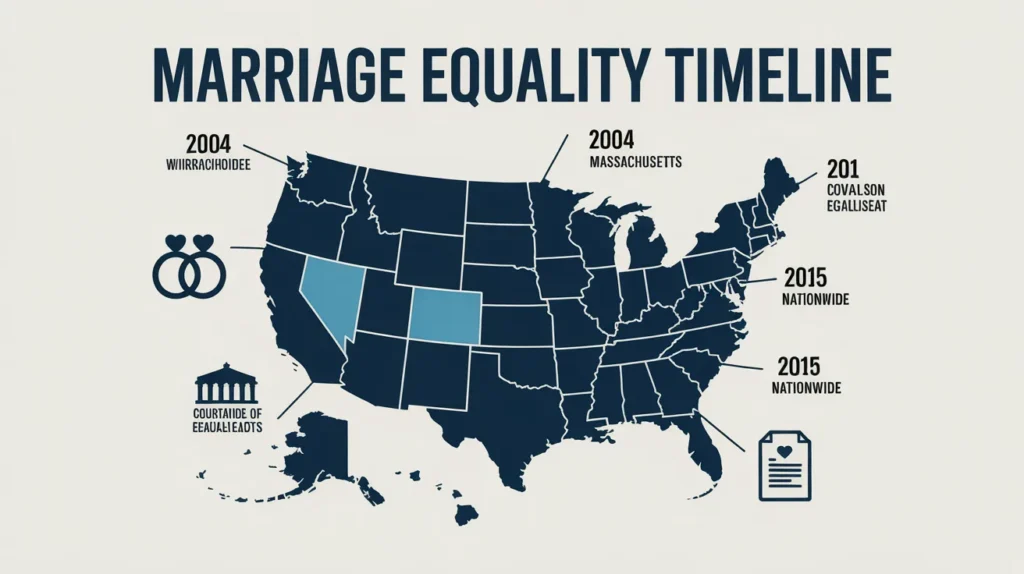
The most important decision came in 2015, when the Supreme Court ruled that same-sex marriage is a constitutional right. This ruling required all states to:
- Allow same-sex couples to marry
- Recognize same-sex marriages performed legally in other states
From that moment, gay marriage became legal nationwide.
Current Legal Status of Gay Marriage in the USA (2025)
As of 2025:
- Same-sex marriage is legal in all 50 states
- States must issue marriage licenses to same-sex couples
- States must recognize same-sex marriages performed elsewhere
- Federal law recognizes same-sex marriages equally
Additionally, recent federal legislation has strengthened protections for marriage equality by ensuring that marriages remain recognized even if future court decisions change.
Rights and Benefits of Gay Marriage
Marriage equality provides same-sex couples with over a thousand federal and state benefits. Some of the most important include:
Legal and Financial Rights
- Joint tax filing and tax benefits
- Inheritance rights without extra legal paperwork
- Social Security and pension benefits
- Spousal immigration sponsorship
Healthcare and Medical Rights
- Hospital visitation rights
- Medical decision-making authority
- Access to employer-provided health insurance
Family and Parenting Rights
- Legal recognition of both spouses as parents in many cases
- Adoption rights (subject to state laws)
- Child custody and support protections
These rights offer legal security and stability that were previously unavailable to many same-sex couples.
Religious Freedom and Legal Exceptions
One of the ongoing debates around gay marriage involves balancing marriage equality with religious freedom.
Key points:
- Religious institutions are not required to perform same-sex marriages
- Clergy members may refuse based on religious beliefs
- Civil marriage laws remain separate from religious ceremonies
Some states also allow limited exemptions for certain private individuals or organizations, though these exemptions cannot override constitutional protections.
Challenges That Still Exist
Despite nationwide legalization, same-sex couples may still face challenges.
Social and Cultural Barriers
- Discrimination in certain communities
- Stigma or lack of acceptance
- Unequal treatment in private settings
Legal Grey Areas
- Parental rights may require additional legal steps
- Adoption laws vary by state
- International recognition differs by country
Marriage equality does not automatically eliminate discrimination, making education and legal awareness essential.
Interstate and International Recognition
Interstate Recognition
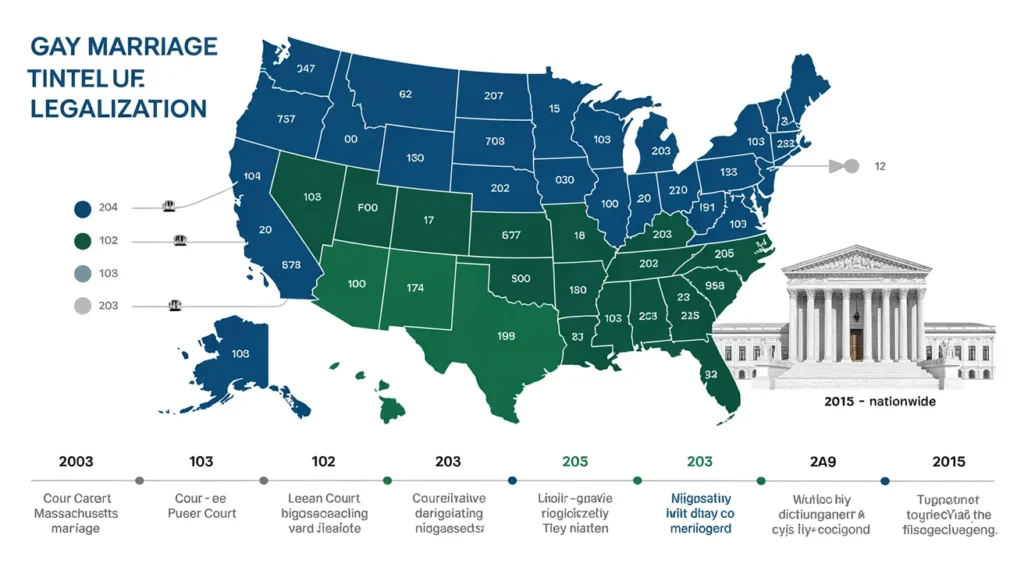
All U.S. states are required to recognize valid same-sex marriages performed in other states. Couples can move freely without losing marital status.
International Recognition
International recognition varies widely:
- Some countries fully recognize same-sex marriages
- Others offer civil unions or limited rights
- Some do not recognize same-sex relationships at all
Couples planning to travel or relocate internationally should research local laws carefully.
Legal Protections Beyond Marriage
Marriage is only one part of LGBTQ+ legal equality.
Additional protections include:
- Anti-discrimination laws in employment and housing (vary by state)
- Hate crime protections
- Workplace equality policies
Federal protections exist, but state-level laws play a major role in daily life for LGBTQ+ individuals.
The Respect for Marriage Act
In recent years, federal lawmakers passed legislation designed to safeguard marriage equality.
Key provisions include:
- Federal recognition of same-sex marriages
- Protection against state refusal to recognize valid marriages
- Repeal of outdated marriage definitions
This law provides additional legal stability and reassurance for married couples.
What Same-Sex Couples Should Consider Before Marriage
Before getting married, same-sex couples should consider:
- Updating wills and estate plans
- Understanding state-specific parental laws
- Reviewing tax and financial implications
- Confirming healthcare and insurance coverage
Consulting a legal or financial professional can help couples make informed decisions.
The Future of Gay Marriage Laws in the USA
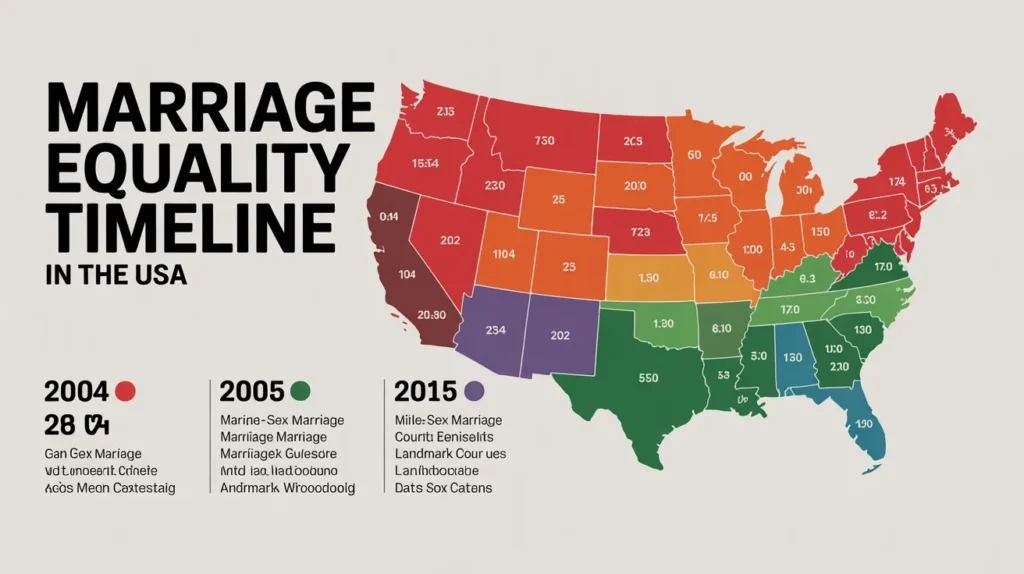
Public support for same-sex marriage has steadily increased over the past decade. While legal protections are stronger than ever, continued advocacy remains important to protect these rights.
The future of gay marriage in the USA will depend on:
- Strong legal frameworks
- Public awareness and acceptance
- Ongoing civic engagement
Marriage equality is now deeply embedded in American law, but protecting it requires continued vigilance.
Final Thoughts
Gay marriage laws in the USA represent a major milestone in the fight for equality and civil rights. Same-sex couples now enjoy the same legal recognition, protections, and responsibilities as heterosexual couples, marking a historic shift toward inclusion and fairness.
While challenges remain, the legal foundation for marriage equality is strong. Understanding these laws empowers couples to protect their rights, plan their futures, and live openly and securely.
Marriage equality is not just about legal recognition—it is about dignity, stability, and equal treatment under the law.