
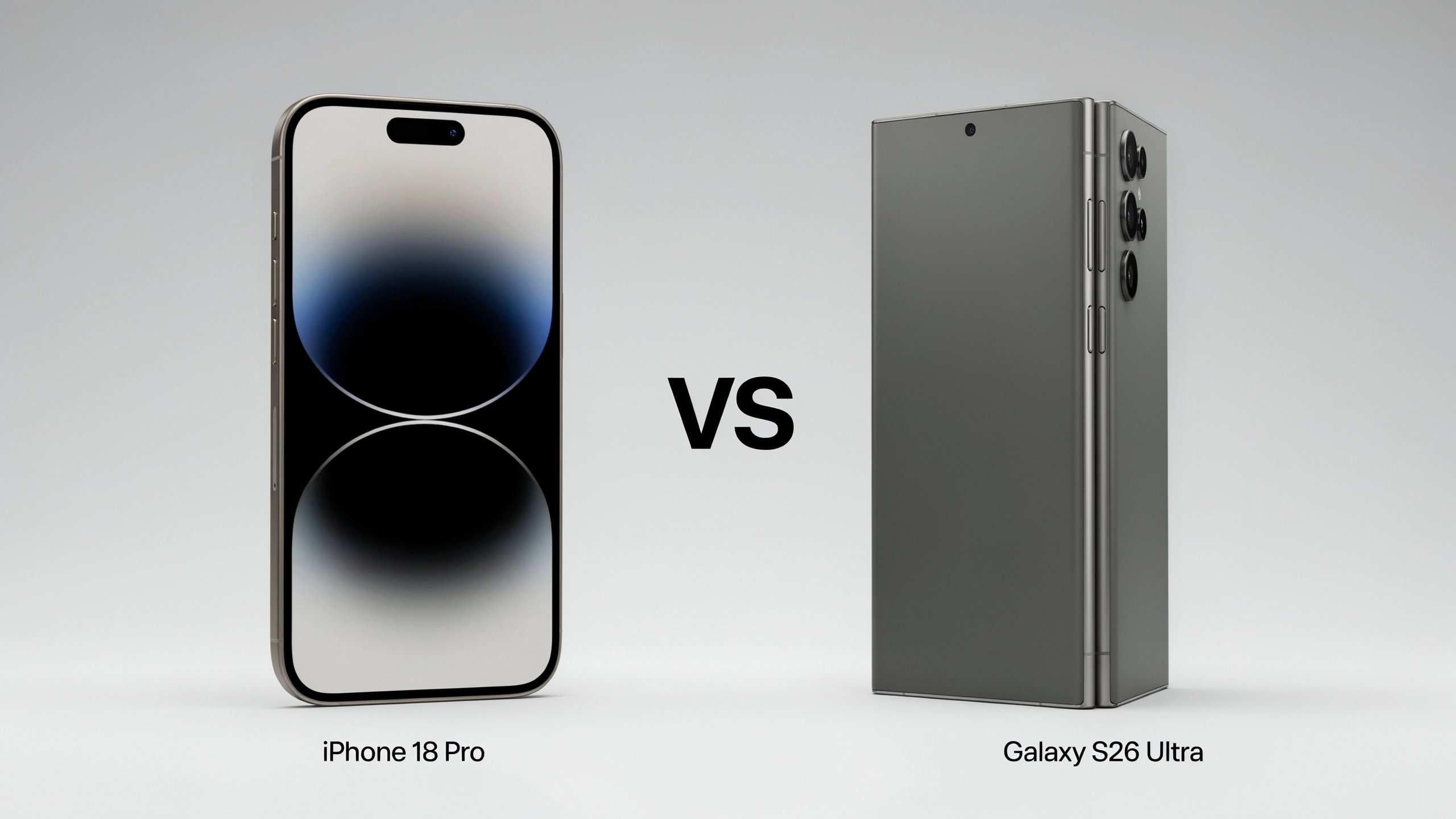
The competition between Apple and Samsung continues to shape the premium smartphone market in 2026. The iPhone 18 Pro and Samsung Galaxy S26 Ultra represent two different approaches to flagship technology. Apple focuses on performance, camera consistency, and a tightly integrated software experience, while Samsung emphasizes display technology, camera versatility, customization, and productivity features.
But which phone offers the more meaningful upgrades, and which one is worth buying?
The iPhone 18 Pro vs Galaxy S26 Ultra comparison is about more than processor speeds or camera megapixels. It also comes down to how you use your phone every day, whether you prefer iOS or Android, and which features genuinely improve your experience.
Let’s explore the biggest differences between these two premium smartphones.
iPhone 18 Pro vs Galaxy S26 Ultra: Quick Comparison
The iPhone 18 Pro is Apple’s smaller Pro model, while the Galaxy S26 Ultra is Samsung’s large-format flagship. Keep in mind that the iPhone 18 Pro Max is a different model from the iPhone 18 Pro.
| Feature | iPhone 18 Pro | Galaxy S26 Ultra |
|---|---|---|
| Operating system | iOS | Android with Samsung’s One UI |
| Display style | Compact Pro display | Large 6.9-inch display |
| Processor | Apple A20 Pro family | Snapdragon 8 Elite Gen 5 for Galaxy |
| Camera approach | Computational photography and video | High-resolution photography and versatile zoom |
| Main camera | 48MP-class camera system | 200MP main camera |
| Special feature | Apple ecosystem and Pro camera tools | Built-in S Pen and Privacy Display |
| Best suited for | iOS users, creators, and compact-phone fans | Android power users and productivity-focused buyers |
Specifications and features can vary by model and market. Check the manufacturer’s regional specifications before purchasing.
ALSO CHECK: AI Agents in 2026: What They Can Actually Do
1. Design and Display: Compact Pro vs. Big-Screen Flagship
One of the most noticeable differences is the size.
The iPhone 18 Pro is designed for people who want premium features without carrying an especially large smartphone. Its smaller form factor can make everyday activities such as messaging, browsing, and one-handed use more comfortable.
The Galaxy S26 Ultra takes a different approach. Its large 6.9-inch display provides more room for watching videos, editing documents, multitasking, and using the S Pen.
Samsung also introduces a Privacy Display feature designed to limit what people can see from certain viewing angles. This can be useful when checking messages or working with sensitive information in public places. However, independent reviews have raised questions about its effect on some aspects of the viewing experience. Source: Android Central
Which is better? Choose the iPhone 18 Pro if you prefer a more compact flagship. The Galaxy S26 Ultra makes more sense if screen size and productivity are priorities.
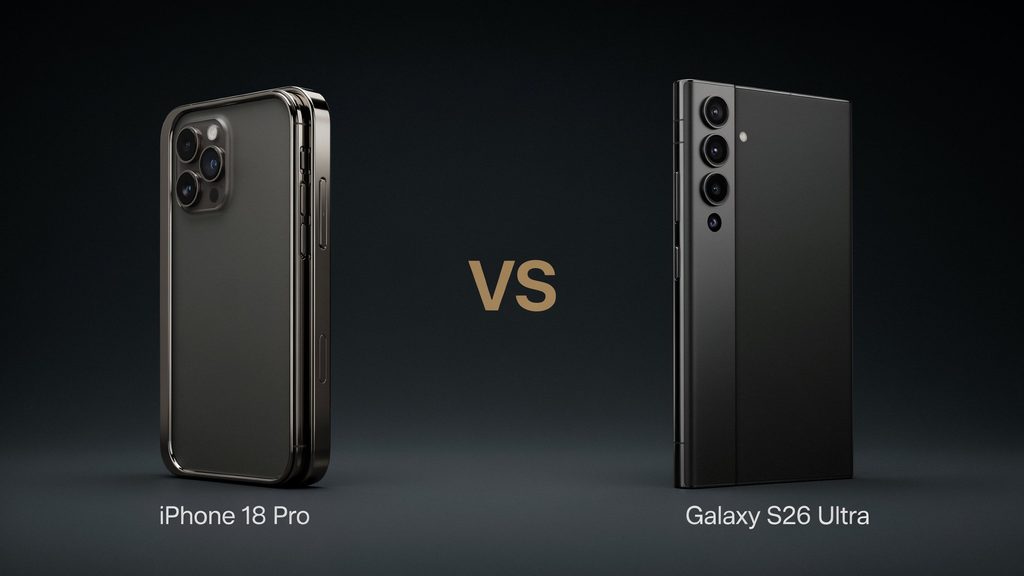
2. Performance: Apple’s Chip vs. Samsung’s Processing Power
Performance remains an important part of the flagship smartphone experience.
Apple’s A20 Pro-class processor is designed to handle demanding applications, gaming, video editing, photography, and on-device AI tasks. Apple’s close integration between its hardware and iOS also helps it optimize performance across supported applications.
Samsung’s Galaxy S26 Ultra uses a Snapdragon 8 Elite Gen 5 for Galaxy processor, designed for demanding Android applications, graphics, multitasking, and AI-assisted features.
Both phones offer substantial processing power for everyday use. However, benchmark results alone do not tell the whole story. App optimization, thermal management, battery consumption, and software support can all influence real-world performance.
For mobile gaming, the best choice depends on the games you play and how each device handles sustained performance. For professional video editing, compatibility with your preferred apps may matter more than a small difference in benchmark scores.
3. Camera Comparison: Image Quality vs. Zoom Flexibility
Camera performance is one of the most important reasons people upgrade to a premium phone.
The iPhone 18 Pro emphasizes consistent image processing, portrait photography, and video tools. Its variable-aperture main camera gives photographers additional control over how much light reaches the sensor and how the camera handles different scenes.
The Galaxy S26 Ultra takes a high-resolution approach, featuring a 200MP main camera alongside dedicated ultrawide and telephoto cameras. Its 5x optical periscope camera is particularly useful for capturing distant subjects.
These differences become more noticeable in practical situations.
- Portraits: The iPhone’s image processing may appeal to users who prefer natural-looking skin tones and balanced backgrounds.
- Long-distance zoom: Samsung’s dedicated 5x optical telephoto camera provides an advantage when photographing distant subjects.
- Video recording: The iPhone is worth considering for creators who prioritize its recording tools and integration with editing workflows.
- Detailed photography: Samsung’s high-resolution main camera can capture considerable detail in suitable lighting conditions.
A recent camera comparison by Tom’s Guide found strengths on both sides, with the iPhone 18 Pro Max performing well in portraits and the Galaxy S26 Ultra delivering stronger results at longer zoom distances. These findings concern the Pro Max model and a particular test, so they should not be treated as a definitive verdict on every camera or shooting situation. Read the comparison
The takeaway: Do not judge a camera solely by megapixel count. Lens selection, image processing, lighting, and the type of photography you enjoy are equally important.
4. Battery Life and Charging
Battery life depends on more than battery capacity. Screen size, processor efficiency, signal strength, brightness, and application usage all influence how long a phone lasts.
The Galaxy S26 Ultra’s larger body gives Samsung more room for a large battery and a spacious display. However, its bigger screen can also consume more power depending on how it is used.
The iPhone 18 Pro’s smaller design may appeal to users who value portability, but its battery performance should be evaluated using real-world tests rather than assumptions based on size alone.
Charging speed is another factor to consider. Compare official wired and wireless charging specifications for the exact regional models, and remember that charging adapters may be sold separately.
If you regularly travel, record video, play games, or use navigation, prioritize independent battery tests that reflect your typical usage.
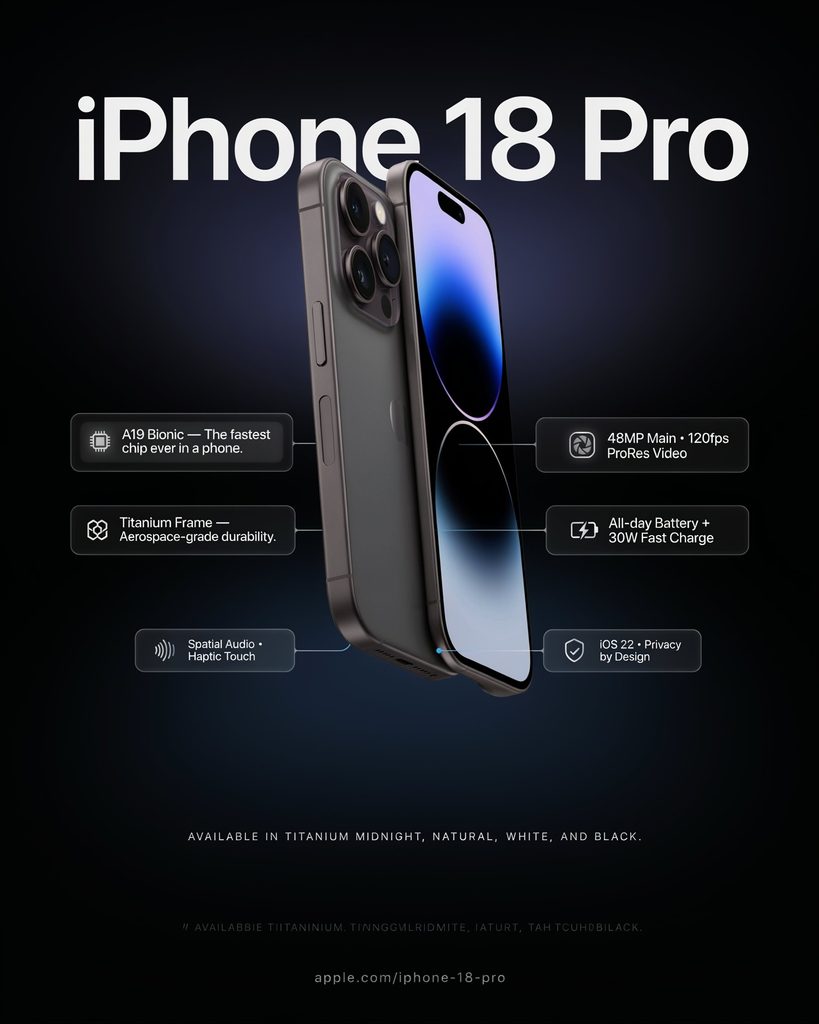
5. Software and AI Features
The software experience is one of the biggest reasons to choose one brand over the other.
The iPhone 18 Pro runs Apple’s iOS ecosystem. It is a natural fit for people who already use devices such as a Mac, iPad, or Apple Watch. Features that connect these products can make transferring files, sharing content, and continuing work between devices more convenient.
The Galaxy S26 Ultra runs Android with Samsung’s One UI interface. It offers extensive customization, multitasking options, and integration with Samsung’s productivity tools.
Both platforms offer AI-powered features, but availability can depend on the device’s software version, language, region, and supported applications. Before buying, check whether the specific AI features you want are available in your country.
For many people, the best software is simply the one that works smoothly with the devices, accounts, and services they already use.
6. Productivity: The S Pen Makes a Difference
The Galaxy S26 Ultra has a feature that clearly separates it from the standard iPhone 18 Pro: its built-in S Pen.
The stylus is useful for writing notes, marking up documents, annotating screenshots, and making precise selections. It can also help users who prefer handwriting to typing.
The iPhone supports touch input and a wide range of productivity applications, but it does not offer the same integrated S Pen experience.
If you frequently take handwritten notes, review documents, or sketch ideas, Samsung’s approach may be more practical. If you mainly use your phone for communication, entertainment, photography, and everyday applications, the S Pen may not be essential.
7. Price and Overall Value
Both devices sit in the premium smartphone category, so the final buying decision should consider more than the launch price.
Pricing can vary by storage capacity, country, retailer, promotional offers, and trade-in deals. Accessories and repair costs may also affect the long-term expense.
Before purchasing, compare the price of each phone with the storage capacity you actually need. Consider how long you intend to keep the device and whether you can take advantage of an existing Apple or Samsung ecosystem.
The more expensive phone is not automatically the better value. A feature is only valuable if it makes a meaningful difference to your daily use.
Which Phone Should You Buy in 2026?
The right choice depends on your priorities.
Choose the iPhone 18 Pro if:
- You prefer a relatively compact premium phone.
- You already use Apple’s ecosystem.
- You prioritize video recording and a streamlined software experience.
- You want powerful performance in a smaller form factor.
Choose the Samsung Galaxy S26 Ultra if:
- You prefer a large display for work and entertainment.
- You frequently use optical zoom for photography.
- You want a built-in stylus for notes and document work.
- You value Android customization and multitasking features.
Neither phone is the universal winner. Your existing ecosystem, preferred camera style, and everyday habits will have a greater impact on satisfaction than a specification sheet alone.
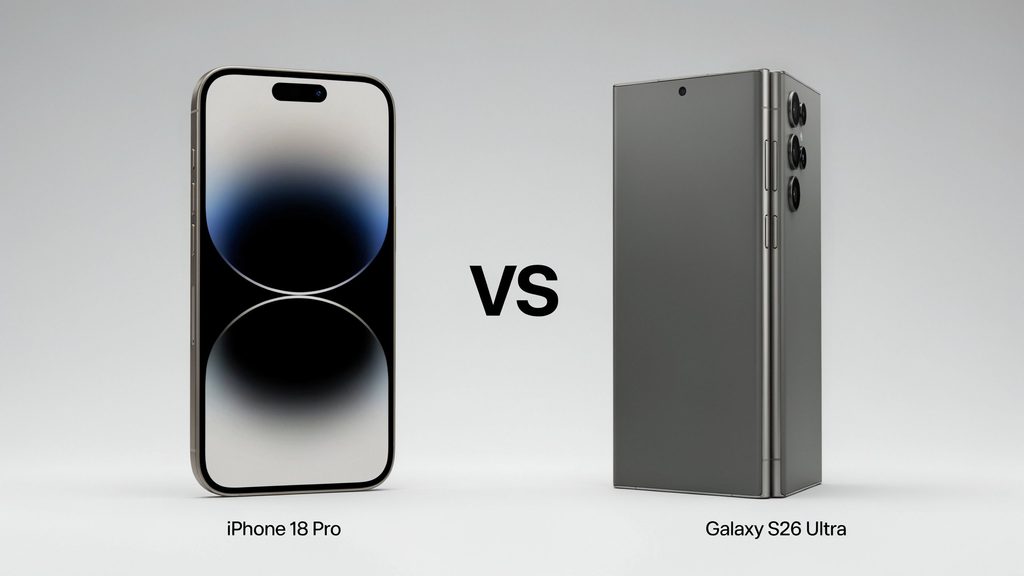
Final Verdict
The iPhone 18 Pro and Samsung Galaxy S26 Ultra demonstrate two different visions of a premium smartphone.
Apple focuses on a compact Pro experience, performance, camera processing, and integration with its ecosystem. Samsung delivers a larger screen, a versatile camera system, S Pen functionality, and a more customizable Android experience.
If you want a powerful flagship that is easier to handle, the iPhone 18 Pro deserves serious consideration. If you want a large-screen device that doubles as a productivity tool, the Galaxy S26 Ultra may be the better fit.
Before making your final decision, compare current local prices, independent battery tests, camera samples, and software support. The best flagship is the one that fits your needs—not simply the one with the longest specification list.
Frequently Asked Questions
Is the iPhone 18 Pro better than the Galaxy S26 Ultra?
Neither is better for everyone. The iPhone 18 Pro may suit people who prefer iOS, a compact design, and Apple’s ecosystem. The Galaxy S26 Ultra may be better for users who want a large display, long-range zoom, and an integrated S Pen.
Which phone has the better camera?
The answer depends on the type of photography. Samsung’s dedicated long-range zoom hardware is useful for distant subjects, while Apple’s processing and video tools may appeal to creators who value consistent results.
Which phone is better for gaming?
Both are premium devices with powerful processors. Compare sustained gaming performance, heat management, supported games, and battery life before choosing.
Is the Galaxy S26 Ultra worth upgrading to?
It may be worthwhile if you need its large display, camera flexibility, S Pen, or newer features. If your current phone already handles your everyday tasks well, compare the actual improvements against the cost of upgrading.
Should I choose iPhone or Samsung in 2026?
Choose based on your preferred operating system, the devices you already own, camera priorities, screen size, and budget. These practical differences matter more than brand loyalty alone.