
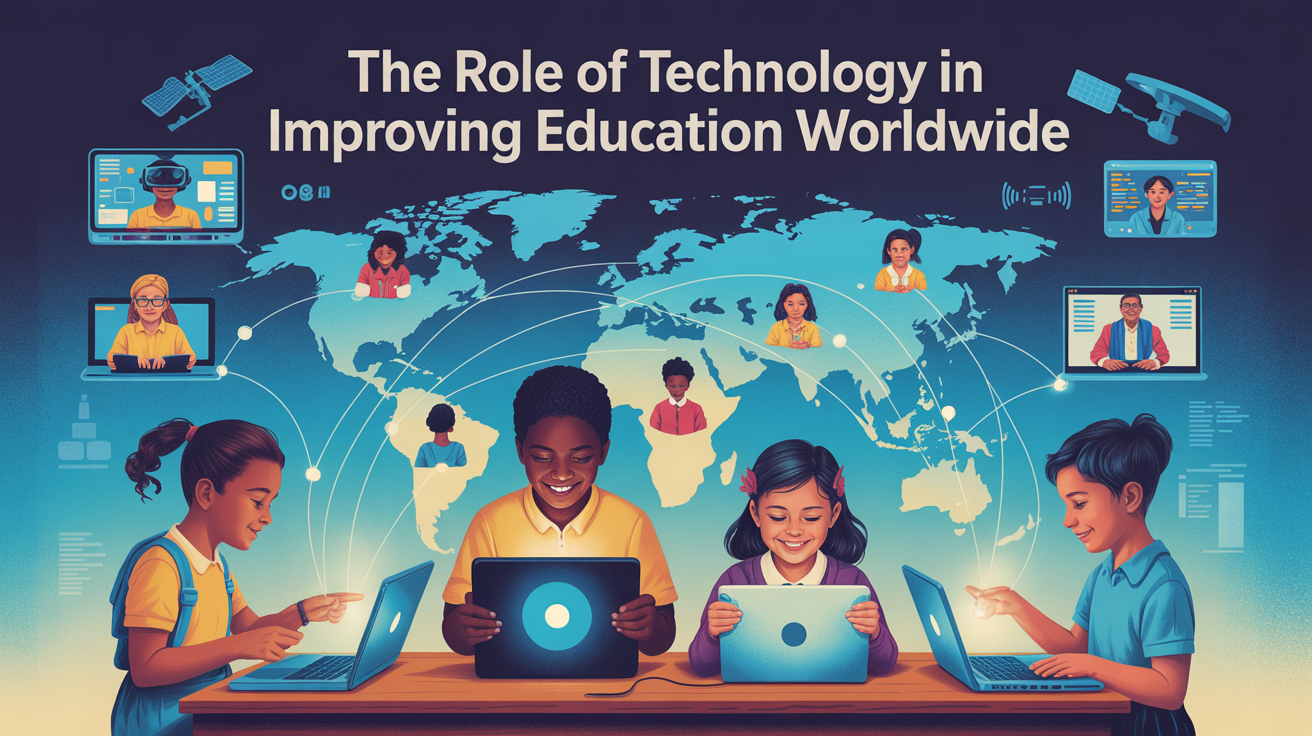
Education has always been a foundation for social and economic progress. In recent years, technology has become one of the most powerful forces reshaping how education is delivered, accessed, and experienced across the world. From digital classrooms and online learning platforms to artificial intelligence and data-driven insights, technology is breaking barriers and creating new opportunities for learners everywhere.
This article explores the role of technology in improving education worldwide, how it is transforming learning outcomes, and why it is essential for building an inclusive, future-ready global education system.
How Technology Is Reshaping Global Education
Technology in education—often called EdTech—includes digital tools, software, hardware, and online platforms designed to support teaching and learning. These technologies are helping educators reach more students, personalize instruction, and improve learning efficiency.
According to UNESCO, technology plays a key role in achieving inclusive and equitable quality education globally.
Source: https://www.unesco.org/en/education
As internet access and mobile devices expand, education is no longer limited by geography or physical classrooms.
ALSO CHECK: Best Productivity Apps You Should Use in 2025
1. Expanding Access to Education
One of the most important contributions of technology is expanding access to education, especially in underserved and remote areas.
How technology improves access:
- Online courses and virtual classrooms
- Mobile learning apps for low-bandwidth regions
- Digital libraries and open educational resources (OER)
- Recorded lectures available anytime
Platforms like Coursera, Khan Academy, and edX allow millions of learners worldwide to access high-quality educational content for free or at low cost.
According to the World Bank, digital learning tools help close education gaps in developing countries.
Source: https://www.worldbank.org/en/topic/edutech
2. Enabling Remote and Online Learning
Remote learning became globally prominent during the COVID-19 pandemic, but it has since evolved into a permanent part of modern education.
Benefits of online learning:
- Flexible schedules for students
- Learning from anywhere in the world
- Reduced travel and infrastructure costs
- Access to global educators and institutions
Video conferencing platforms, learning management systems (LMS), and cloud-based tools make it possible for students and teachers to interact in real time, regardless of location.
3. Personalized Learning Through Technology
Traditional classrooms often follow a one-size-fits-all approach. Technology enables personalized learning, where students progress at their own pace based on their strengths and weaknesses.
Examples of personalized learning tools:
- AI-powered learning platforms
- Adaptive quizzes and assessments
- Customized lesson plans
- Learning analytics dashboards
According to the OECD, personalized learning supported by technology improves student engagement and outcomes.
Source: https://www.oecd.org/education
This approach is especially beneficial for students with different learning styles or special educational needs.
4. Improving Teacher Effectiveness
Technology does not replace teachers—it empowers them.
How technology supports educators:
- Digital lesson planning tools
- Online grading and feedback systems
- Access to global teaching resources
- Professional development through online training
Teachers can spend less time on administrative tasks and more time engaging with students. Online communities also allow educators to share best practices across borders.
5. Enhancing Student Engagement and Motivation
Interactive technologies make learning more engaging and enjoyable.
Engagement-enhancing tools include:
- Educational videos and animations
- Gamified learning apps
- Virtual labs and simulations
- Augmented Reality (AR) and Virtual Reality (VR)
Gamification elements such as points, levels, and rewards help motivate students and improve retention. These tools make complex concepts easier to understand through visual and hands-on experiences.
6. Supporting Lifelong Learning and Skill Development
In a rapidly changing global economy, education does not end after graduation. Technology supports lifelong learning by making skill development accessible to people of all ages.
Lifelong learning benefits:
- Online certifications and micro-credentials
- Career-focused training programs
- Upskilling and reskilling opportunities
- Continuous professional development
The World Economic Forum emphasizes that digital learning is critical for preparing workers for future jobs.
Source: https://www.weforum.org/agenda
7. Bridging Educational Gaps in Developing Countries
Technology plays a crucial role in reducing educational inequality.
Key contributions:
- Low-cost tablets and smartphones for students
- Offline learning apps for limited internet access
- Community digital learning centers
- Government-supported e-learning initiatives
In regions where teacher shortages or infrastructure challenges exist, digital tools help deliver consistent educational content and improve literacy rates.
8. Data-Driven Insights for Better Education Systems
Educational institutions now use data analytics to improve teaching strategies and student performance.
Data-driven benefits:
- Identifying learning gaps early
- Tracking student progress
- Improving curriculum design
- Enhancing decision-making for policymakers
When used responsibly and ethically, data helps education systems become more efficient and student-centered.
9. Technology in Higher Education and Research
Universities worldwide use technology to enhance research, collaboration, and innovation.
Examples include:
- Online research databases
- Virtual research collaborations
- AI-powered data analysis
- Digital publishing platforms
These tools accelerate knowledge sharing and allow researchers from different countries to work together seamlessly.
10. Challenges of Technology in Education
Despite its benefits, technology in education also presents challenges:
- Digital divide and unequal internet access
- Data privacy and cybersecurity concerns
- Need for teacher training
- Overreliance on screens
- High initial infrastructure costs
Addressing these challenges requires collaboration between governments, educators, and technology providers.
11. Ensuring Ethical and Inclusive Use of Technology
For technology to truly improve education worldwide, it must be used responsibly.
Key considerations:
- Protecting student data and privacy
- Ensuring accessibility for learners with disabilities
- Avoiding bias in AI-powered systems
- Promoting digital literacy
International organizations and governments are working on policies to ensure ethical and inclusive EdTech adoption.
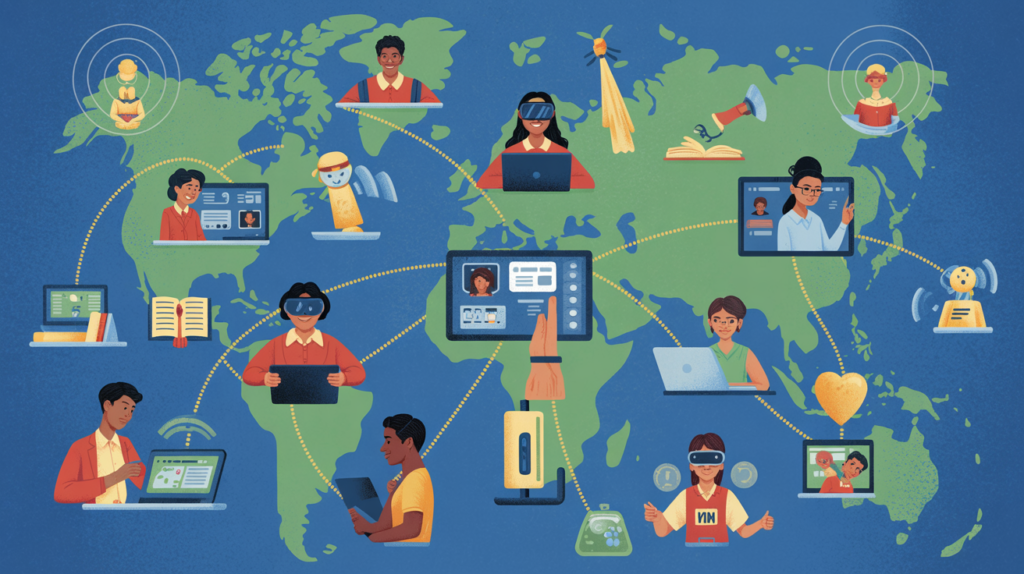
12. The Future of Education Technology
The future of education will likely include:
- AI-powered tutoring systems
- Virtual and augmented classrooms
- Global digital universities
- More hybrid learning models
- Greater focus on skills-based education
As technology continues to evolve, education systems must adapt to prepare students for a digital-first world.
Final Thoughts
Technology is transforming education worldwide by expanding access, personalizing learning, empowering teachers, and supporting lifelong skill development. While challenges remain, the potential benefits far outweigh the risks when technology is implemented thoughtfully and inclusively.
By embracing digital innovation, education systems can become more equitable, engaging, and effective—helping learners everywhere reach their full potential. Technology is not just improving education; it is redefining what education can be in a connected global society.
1 thought on “The Role of Technology in Improving Education Worldwide”