

Starting a tech blog in 2026 is one of the most effective ways to build an online presence, share knowledge, and generate income. With the growing demand for technology-related content, there is a massive opportunity for bloggers who can provide valuable, accurate, and engaging information. However, success requires more than just writing—it involves strategy, consistency, and proper SEO practices.
In this guide, you’ll learn how to start a tech blog from scratch and turn it into a profitable online business while following Google policies and Rank Math SEO best practices.
Why Start a Tech Blog in 2026?
Technology continues to evolve rapidly, and people are constantly searching for information about gadgets, software, AI tools, cybersecurity, and more. This creates endless content opportunities for bloggers.
A tech blog allows you to:
- Share your knowledge and expertise
- Build authority in a specific niche
- Generate passive income
- Work from anywhere
With the right approach, even beginners can succeed in this competitive space.
ALSO CHECK: Best Tools for Content Creators and Influencers in 2026
Step 1: Choose a Profitable Tech Niche
One of the biggest mistakes beginners make is trying to cover everything in tech. Instead, focus on a specific niche to stand out and build authority.
Popular tech blog niches in 2026 include:
- Artificial intelligence and automation
- Smartphone reviews and comparisons
- Software tutorials and guides
- Cybersecurity and privacy
- Web development and coding
Choosing a niche helps you target a specific audience and improves your chances of ranking on search engines.

Step 2: Pick a Domain Name and Hosting
Your domain name is your blog’s identity, so choose something simple, memorable, and relevant to your niche. Avoid using complicated words or numbers.
Next, select a reliable hosting provider to ensure your website loads quickly and remains secure. Speed and uptime are important ranking factors, so invest in quality hosting from the beginning.
Step 3: Set Up Your Blog
To create your blog, you can use content management systems like WordPress. It is beginner-friendly, flexible, and widely used.
Install a clean, responsive theme that works well on mobile devices. In 2026, mobile-first design is essential for both user experience and SEO.
Also, install important plugins, including:
- SEO plugin (like Rank Math)
- Security plugin
- Caching plugin for speed optimization
Step 4: Keyword Research and Content Planning
Keyword research is the foundation of SEO success. Use tools to find keywords with high search volume and low competition.
Focus on:
- Long-tail keywords (easier to rank)
- User intent (informational, transactional, etc.)
- Trending topics in your niche
Create a content calendar to stay consistent. Publishing high-quality articles regularly improves your chances of ranking and building an audience.
Step 5: Write High-Quality, Helpful Content
Google prioritizes helpful, user-focused content. To rank well, your blog posts should provide real value and answer users’ questions.
Follow these best practices:
- Write clear and easy-to-understand content
- Use headings (H1, H2, H3) properly
- Include examples and practical tips
- Keep paragraphs short for readability
Avoid keyword stuffing and focus on natural writing. Your goal should be to help readers, not just rank on search engines.

Step 6: Optimize with Rank Math SEO
Rank Math is one of the most powerful SEO plugins available. It helps optimize your content for better search engine visibility.
Key optimization tips:
- Use your main keyword in the title, URL, and first paragraph
- Write a compelling meta description
- Add internal and external links
- Optimize images with alt text
- Maintain a good keyword density
Rank Math also provides a score for your content, helping you identify areas for improvement.
Step 7: Follow Google Content Policies
To succeed in 2026, it is essential to follow Google’s content guidelines. This ensures your blog remains safe from penalties and ranks sustainably.
Important guidelines include:
- Create original, unique content
- Avoid plagiarism and duplicate content
- Provide accurate and trustworthy information
- Focus on user experience
- Avoid misleading titles or clickbait
Google’s Helpful Content System rewards websites that prioritize users over search engines. Always write with your audience in mind.
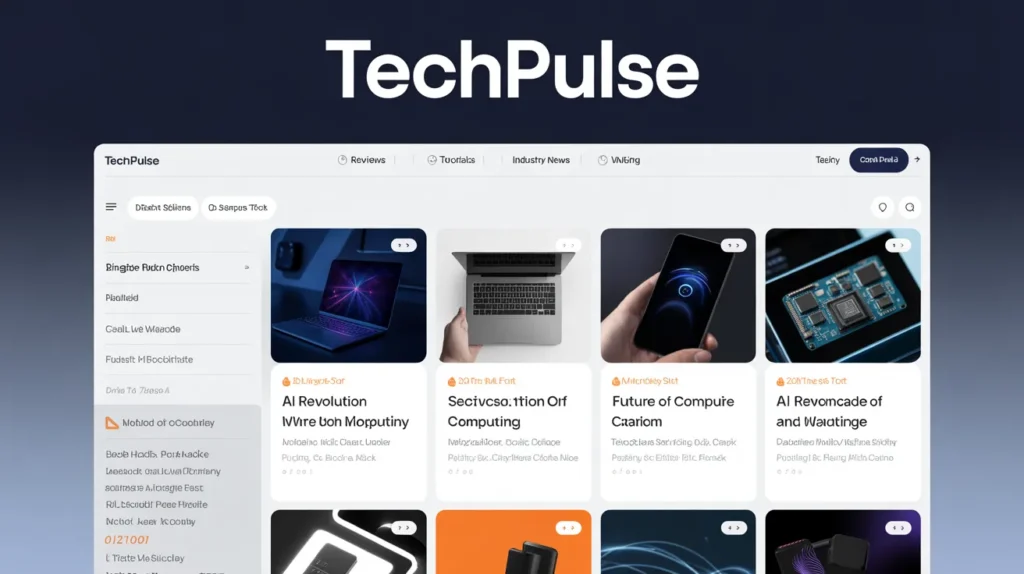
Step 8: Build Traffic to Your Blog
Traffic is crucial for making money from your blog. Without visitors, even the best content won’t generate income.
Effective traffic strategies:
- SEO (organic traffic from Google)
- Social media marketing
- Email newsletters
- Guest posting on other blogs
Consistency and patience are key. It may take a few months to see significant results, but the long-term benefits are worth it.
Step 9: Monetization Strategies
Once your blog starts getting traffic, you can monetize it in several ways:
1. Google AdSense
Display ads on your website and earn money based on clicks and impressions.
2. Affiliate Marketing
Promote products or services and earn a commission for each sale made through your referral links.
3. Sponsored Posts
Collaborate with brands to publish paid content on your blog.
4. Digital Products
Sell eBooks, courses, or templates related to your niche.
5. Freelance Services
Offer services like writing, consulting, or web development.
Diversifying your income streams can increase your earnings and reduce risk.
Step 10: Build Authority and Trust
In the tech niche, credibility is essential. Readers trust blogs that provide accurate and reliable information.
To build authority:
- Share personal experiences and insights
- Update old content regularly
- Cite credible sources
- Engage with your audience through comments and social media
The more trust you build, the more likely readers are to return and recommend your blog.
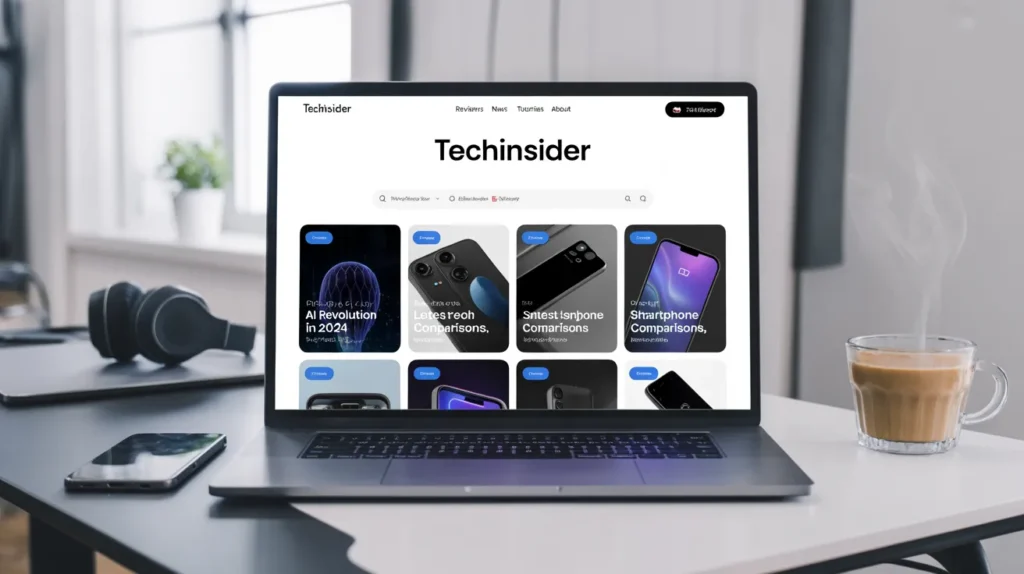
Step 11: Track Performance and Improve
Use analytics tools to monitor your blog’s performance. Track metrics such as:
- Traffic
- Bounce rate
- Time on page
- Conversion rates
Analyzing this data helps you understand what works and what doesn’t. You can then optimize your content and strategy accordingly.
Common Mistakes to Avoid
Many beginners make mistakes that slow down their growth. Avoid these common pitfalls:
- Choosing a broad niche
- Publishing low-quality content
- Ignoring SEO
- Expecting quick results
- Not promoting content
Learning from these mistakes can save you time and effort.
The Future of Tech Blogging
Tech blogging in 2026 is more competitive but also more rewarding. With advancements in AI and digital marketing, bloggers have access to powerful tools that can accelerate growth.
However, success still depends on consistency, quality, and authenticity. Those who focus on providing value and building trust will stand out in the crowded digital space.
Conclusion
Starting a tech blog and making money in 2026 is entirely achievable with the right approach. By choosing a niche, creating high-quality content, optimizing with Rank Math SEO, and following Google policies, you can build a successful and sustainable blog.
Remember, blogging is a long-term journey. Stay consistent, keep learning, and adapt to new trends. With dedication and effort, your tech blog can become a valuable asset and a reliable source of income.
1 thought on “How to Start a Tech Blog and Make Money in 2026”